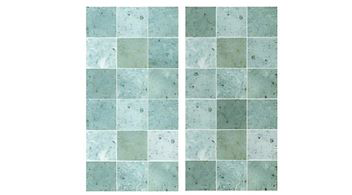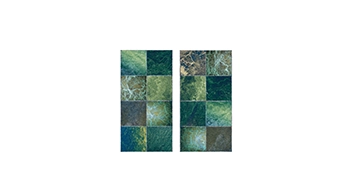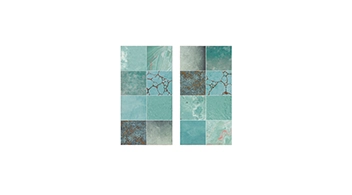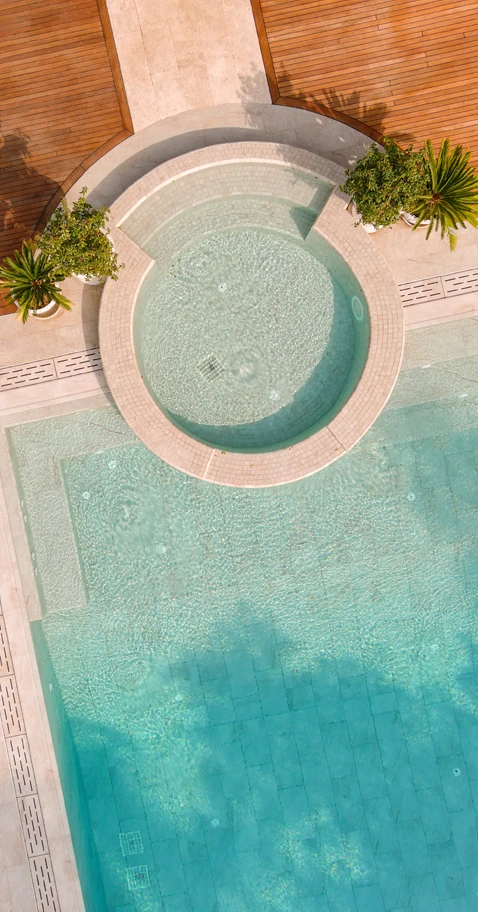
When it comes to swimming pool design, the balance between aesthetics and safety is often misjudged. Especially in luxury villas, hotels, and architectural projects, visual integrity is prioritized, causing certain technical details to be overlooked. However, these details define the true quality of a space and the level of responsibility during actual use. Stair Non-Slip solutions for Swimming Pool Steps are a critical construction component that often goes unnoticed in many projects, yet can lead to serious consequences if neglected.
What may initially appear to be a minor surface detail actually has a wide-ranging impact — from user safety and structural longevity to legal responsibility and brand perception. Particularly in projects using Porcelain Tiles for pool surfaces, non-slip performance is not an accessory but a system-level decision.
Why Are Swimming Pool Steps a Separate Risk Area?
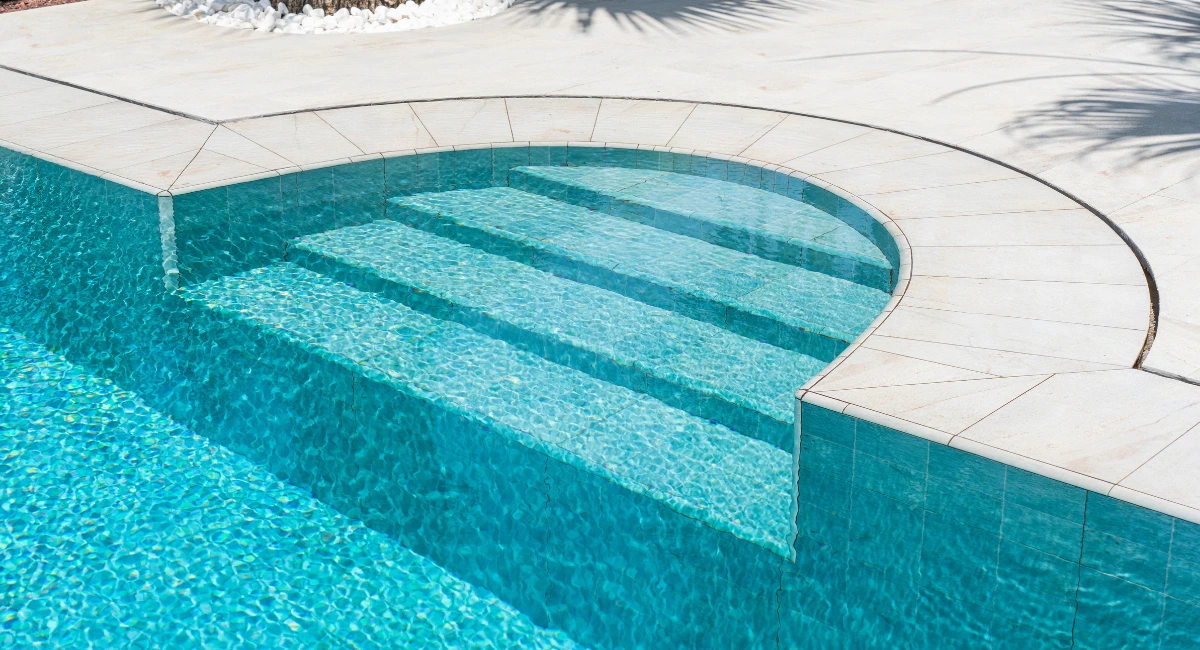
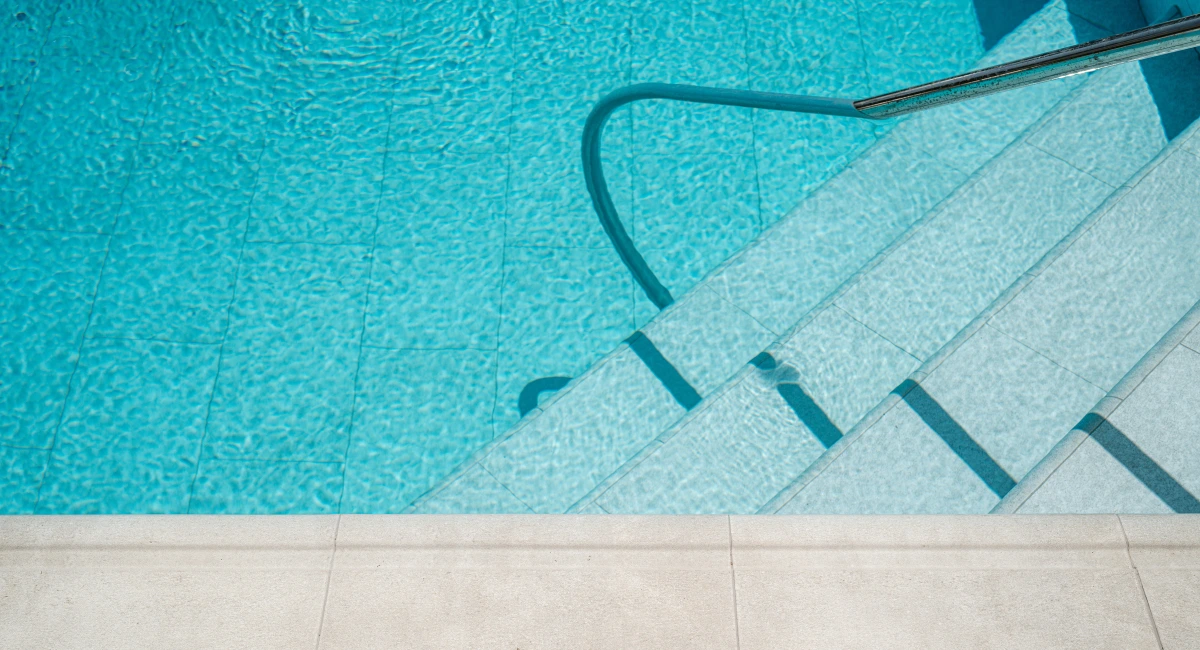
A significant portion of pool-related accidents do not occur in the swimming area itself but on Swimming Pool Steps. The primary reason is that these areas are constantly wet and serve as uncontrolled transition zones where user movement becomes unstable.
Swimming Pool Steps:
- Are exposed to sudden load changes during entry and exit
- Carry body weight concentrated on a single point
- Are mostly used barefoot
- Become slippery due to soap, sunscreen, and chemical residues
Under these conditions, non-slip performance becomes not an additional safety feature but a technical necessity. One key principle in professional projects is this: even if the pool floor and step surfaces are made of the same material, they do not behave the same. The usage dynamics differ. Therefore, Stair Non-Slip solutions for Swimming Pool Steps require separate technical evaluation.
Non-Slip Performance: Not an Aesthetic Choice but a Physical Requirement
The concept of non-slip performance is often misunderstood. Rough surfaces are commonly labeled as non-slip. However, from a technical perspective, non-slip performance depends on the surface’s friction coefficient, its behavior when wet, and its micro-texture structure.
Especially with Porcelain Tiles:
- Higher gloss increases the risk of slipperiness.
- Glazed surfaces can become uncontrollable when exposed to water.
- Surfaces chosen for visual continuity may turn into functional risks.
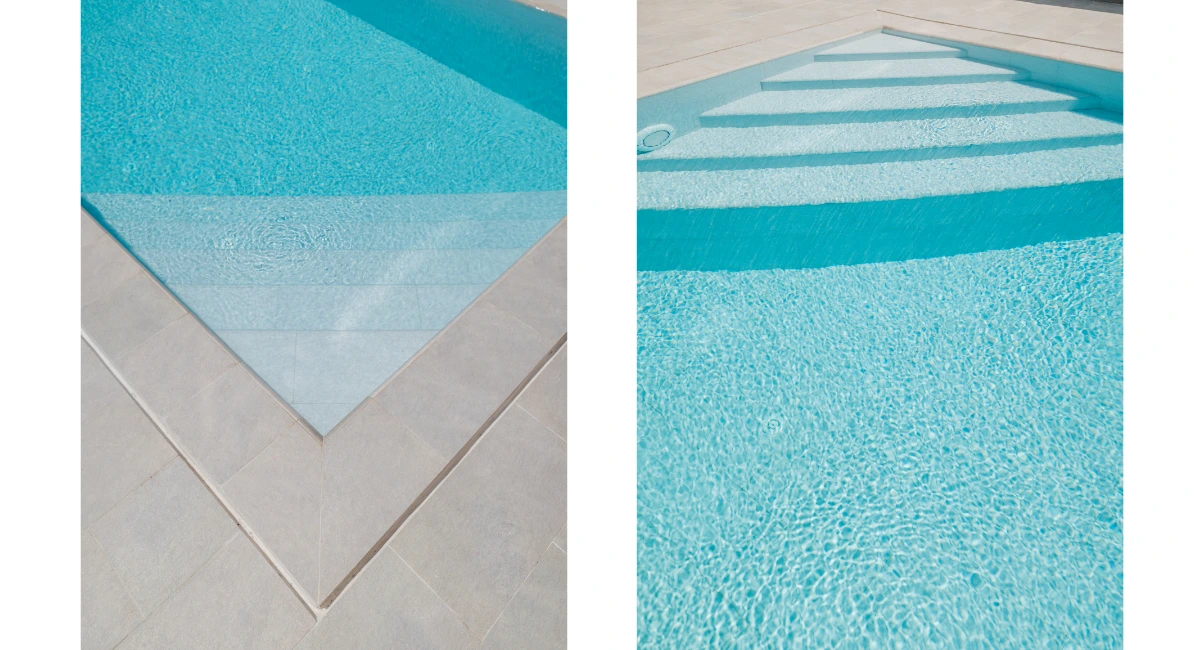
At this point, Porcelain Stair Non-Slip products differ from standard porcelain solutions. Their surface texture is engineered to provide non-slip performance without compromising aesthetics. With the right product selection, architectural integrity and safety can be maintained simultaneously.
The Importance of Non-Slip Steps in Hotels and Commercial Areas
In hotels, spas, and shared-use facilities, Swimming Pool Steps are not merely design elements; they are functional components that ensure safety during pool use.
Users in such projects vary greatly. The same pool may be used by children, young adults, elderly individuals, or users with limited mobility. Balance perception, reflexes, and movement habits differ significantly. Some users move quickly, others cautiously; some may not have the experience to recognize slippery surfaces.
Therefore, slipping or falling incidents on Swimming Pool Steps are not considered isolated accidents. In shared-use environments, such incidents are directly regarded as the responsibility of the operator and may lead to serious legal and reputational consequences.
Common Mistakes in Non-Slip Surface Selection
One of the most common mistakes is applying the same surface used for the general pool floor directly onto the steps without technical evaluation. A surface that is acceptable on a flat area may fail to provide safety on inclined or transitional zones like steps.
Another major issue is the lack of documented non-slip performance values. In many projects, it remains unclear whether a product is genuinely non-slip and under which conditions it maintains this property. This uncertainty can later result in serious safety and liability problems.
In some cases, once slipperiness is noticed after installation, solutions such as tapes, strips, or add-on coatings are applied. These interventions are temporary, disrupt aesthetic integrity, and compromise long-term functionality.
Porcelain Stair Non-Slip solutions are often perceived as minor technical details. In reality, they sit at the intersection of safety, aesthetics, user experience, and brand perception.
Especially in projects using Porcelain Tiles for pool surfaces, non-slip step solutions:
- Protect users
- Increase pool comfort
- Reduce long-term risks
Frequently Asked Questions
Is Stair Non-Slip really necessary for Swimming Pool Steps?
Yes. Considering usage intensity, surface type, and user profile, Stair Non-Slip solutions are a technical requirement — especially in areas using Porcelain Tiles. This requirement is essential not only for safety but also for comfort and long-term sustainability.
Does a non-slip surface compromise aesthetics?
No, when the right product is selected. Modern Porcelain Stair Non-Slip solutions achieve non-slip performance through micro-level surface engineering. The difference is felt physically rather than seen visually.
Is every porcelain surface non-slip?
No. Non-slip performance depends on surface treatment. The same porcelain can have glossy, matte, or non-slip versions. Therefore, technical data must be carefully reviewed during product selection.
Is adding non-slip solutions afterward effective?
It may offer a temporary fix but is not recommended for professional projects. Add-on solutions disrupt visual continuity and tend to lose effectiveness over time.