Swimming pool design and the success of a pool project are not measured solely by visual appeal. Pools that look visually impressive but are not technically well planned begin to generate various problems in a short period of time. Imbalances in water circulation, maintenance difficulties, safety risks, and increasing operating costs are among the most common issues. These problems usually stem not from the construction phase, but from mistakes made during the design process.
Pool design requires a planned process from the initial idea to the completion of implementation. Every decision directly affects the next. For this reason, a successful pool design is shaped not by disconnected choices but by interconnected steps. When usage purpose, technical conditions of the site, infrastructure solutions, and safety details are considered together, the result is both functional and long-lasting. A successful pool design is built on four fundamental steps. Each of these steps lays the groundwork for the healthy progression of the others. Here is the answer to the question “How should pool design be?” and the 4 steps leading to success in pool design:
1. Defining the Purpose of Use
The most common mistake in pool design is failing to clearly define the purpose of use from the outset. However, how the pool will be used is the starting point for all technical decisions. When the purpose of use remains unclear, many elements—from dimensions and depth distribution to safety details and technical infrastructure—are incorrectly planned.
Pools can be designed as sports and competition swimming pools, relaxation-oriented pools, family-use pools, or pools belonging to facilities such as hotels and spas. In sports and competition swimming pools, lane length, water depth, and edge details directly affect performance. Therefore, dimensions must be planned according to specific standards. Otherwise, the pool cannot fully serve its intended purpose. In pools designed for family use, the safety of different age groups comes to the forefront. Proper separation of depths suitable for children and adults, smooth transitions, and controlled entry points are essential. When these details are not considered, the pool can become risky in daily use. Pools in hotels and spa facilities, on the other hand, are subject to intensive use. For this reason, hygiene, durability, and long-term performance take priority. When the purpose of use is correctly defined, the size and form of the pool can be determined more realistically. Pools designed larger or smaller than necessary create inefficiency in terms of both budget and usability. Therefore, the first step of the design process is clearly defining what is expected from the pool.
2. Site Analysis and Technical Compatibility
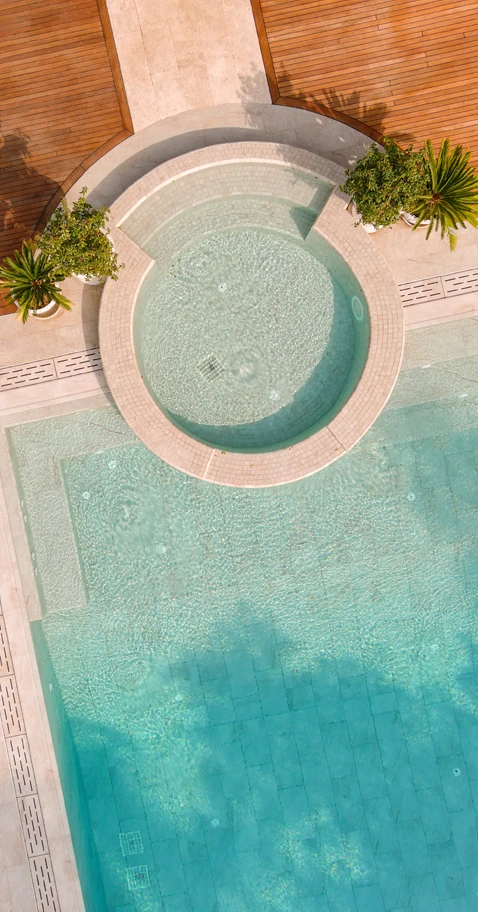
Once the purpose of use is defined, the second step is conducting a proper technical analysis of the site where the pool will be built. Site analysis is not limited to taking measurements. Soil structure, topography, sun exposure duration, wind direction, and environmental conditions must be evaluated together at this stage. Soil characteristics directly affect the pool’s structural system. Weak or unstable ground may require additional engineering solutions. When this need is overlooked, cracks, water leakage, and structural problems may occur in the following years. Such issues are often difficult and costly to resolve. Sun exposure duration plays a decisive role in water temperature and user comfort. Pools that remain in shade throughout the day tend to be colder, while pools exposed to excessive sunlight experience increased evaporation and higher chemical consumption. When site analysis is conducted correctly, the pool’s location can be better aligned with natural conditions. The pool’s relationship with its surroundings should also be planned at this stage. Terraces, walkways, technical spaces, and access points should not be considered independently from the pool. Proper site analysis reduces unexpected issues during implementation and ensures a smoother realization of the design on site.
3. Proper Planning of Technical Infrastructure
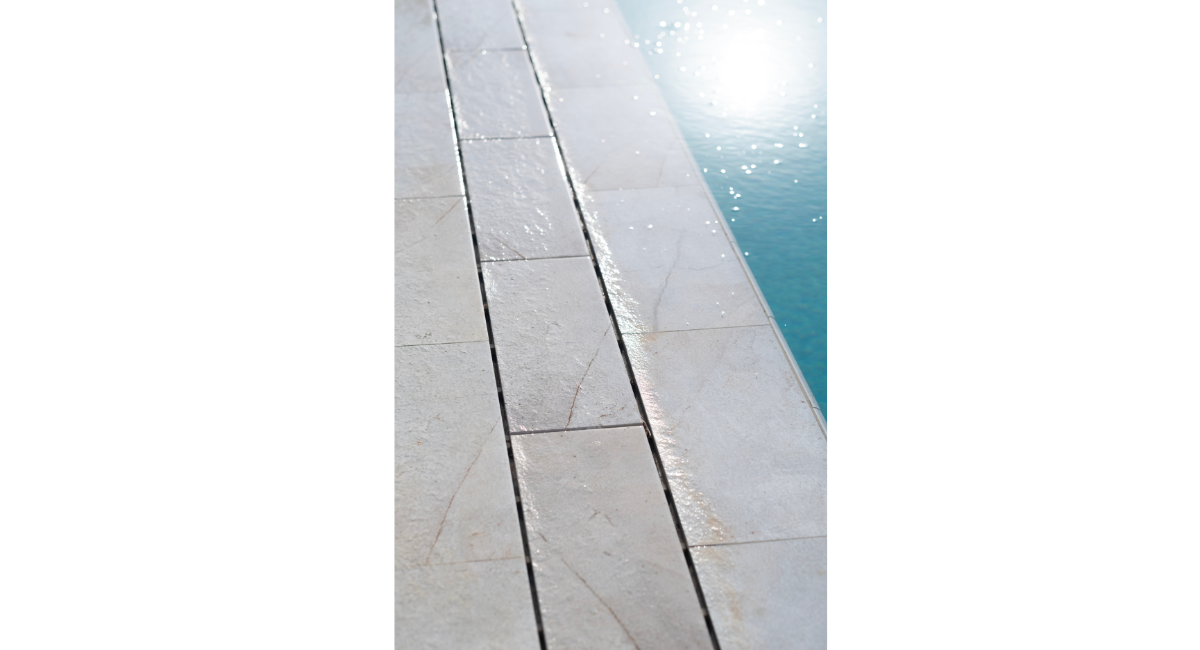
The smooth operation of a pool largely depends on its technical infrastructure. If filtration, circulation, drainage, and balancing systems are not correctly planned during the design phase, even a visually successful pool can lose its functionality in a short time. The circulation system must ensure that pool water moves evenly across all surfaces. In areas where water movement is insufficient, hygiene problems arise. This leads to deterioration of water quality and increased maintenance requirements. Therefore, the placement of suction and return points must be planned in harmony with the pool’s form. Filtration capacity is directly related to the pool’s volume and intensity of use. Insufficient filtration results in constantly cloudy and unhealthy water. Oversized systems, on the other hand, increase energy consumption and operating costs. At this point, technical balance becomes critical. Drainage and overflow details are also often overlooked. Uncontrolled rises in water level can create slippery surfaces around the pool and cause structural damage. For this reason, how water overflows and where it is directed must be considered an integral part of the design.
4. Safety and Long-Term Use Perspective
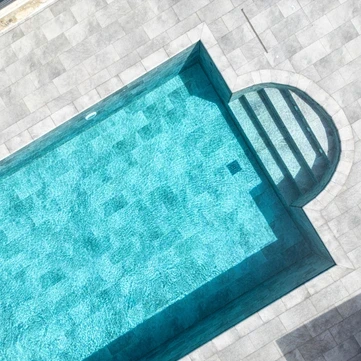
The final step in pool design is considering safety and long-term use together. Safety measures should not be seen merely as details added due to regulations. When properly planned, these elements become a natural part of the design. Smooth depth transitions and clearly perceptible level changes enhance user safety. When stairs, entry points, and edge details are correctly planned, the risk of accidents is significantly reduced. If these details are not addressed during the design phase, later additions create both visual and technical incompatibilities. Long-term use encompasses not only safety but also ease of maintenance and operation. Hard-to-access technical areas and complex systems generate ongoing issues throughout the pool’s lifecycle. When simple and accessible solutions are preferred during the design stage, maintenance processes become more controlled. For more comprehensive information on pool safety details, you can read our article titled Safety First! Solutions That Enhance Safety in Pools .
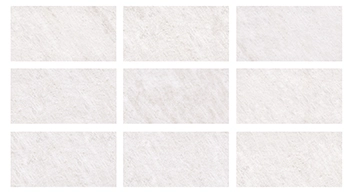
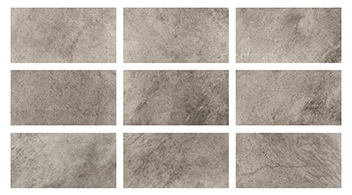
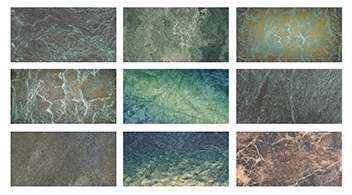
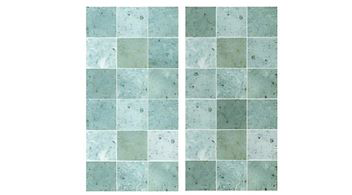
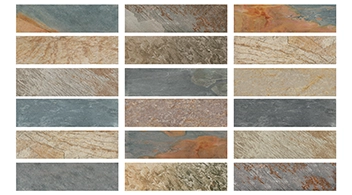
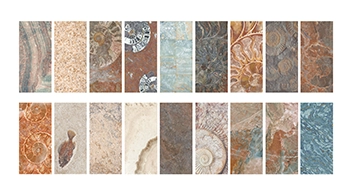
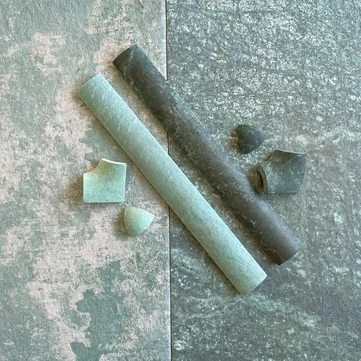
Material selection is also an important part of this stage. Pool surfaces are constantly exposed to water, chemicals, and intensive use. Under these conditions, if the pool cladding material cannot maintain its form and performance over time, surface problems become inevitable. Porcelain pool cladding materials with low water absorption and a dense structure are resistant to wear and deformation because they prevent water and chemicals from penetrating the surface. In contrast, materials that may appear more economical initially but absorb water or wear out quickly increase maintenance needs in a short time and shorten the pool’s service life.
A Holistic Approach to Pool Design
Pool design is not a process that can be reduced to a single correct solution. Success is achieved by considering purpose of use, site analysis, technical infrastructure, and safety together. When any of these steps is neglected, the pool remains merely a visual element and fails to meet technical expectations. A properly designed pool harmonizes with its environment, meets user needs, and can be used smoothly for many years. This result is achieved not through random decisions, but through a planned, technical, and conscious design process.
The privacy of your personal data is important to us. We use cookies on our website to enhance your experience. You can find more details on our Cookie Policy page.